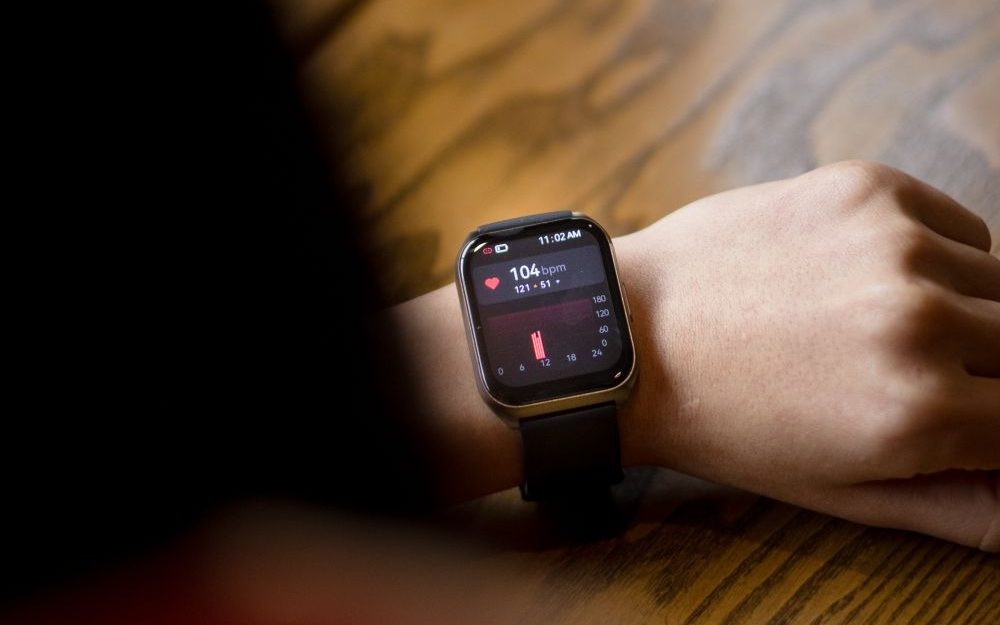
Medical Wearables
Continuous ECG, respiration, and biometric monitoring in comfortable, washable garments. Ideal for patient monitoring, rehabilitation, and remote diagnostics.
We automate the connection of PCBs to textile — enabling mass production of smart garments, medical wearables, and industrial sensing fabrics.

From initial design through to finished product, we cover the full smart textile production pipeline.
We engineer PCBs and garment structures that are purpose-built for automated assembly. Our design process ensures electronics and textile are compatible at every level — materials, layout, and manufacturing.
Our proprietary automated production line connects PCBs to textile with precision and repeatability. We handle the full cycle from incoming components to finished smart textile, at any scale.
Electronic textiles are moving from research labs into everyday products. The process stays the same across sectors; only the sensor and the garment change.
Continuous ECG, respiration, and biometric monitoring in comfortable, washable garments. Ideal for patient monitoring, rehabilitation, and remote diagnostics.

Real-time muscle activity, posture, and motion capture embedded directly in sportswear. Used by athletes, physiotherapists, and sports scientists.

Smart PPE that monitors vital signs, environmental hazards, and worker location. Enhances safety in construction, firefighting, and industrial environments.

Occupancy, pressure, and touch sensing in seat covers, steering wheels, and interior trim, where the electronics must survive vibration, heat, and years of use.
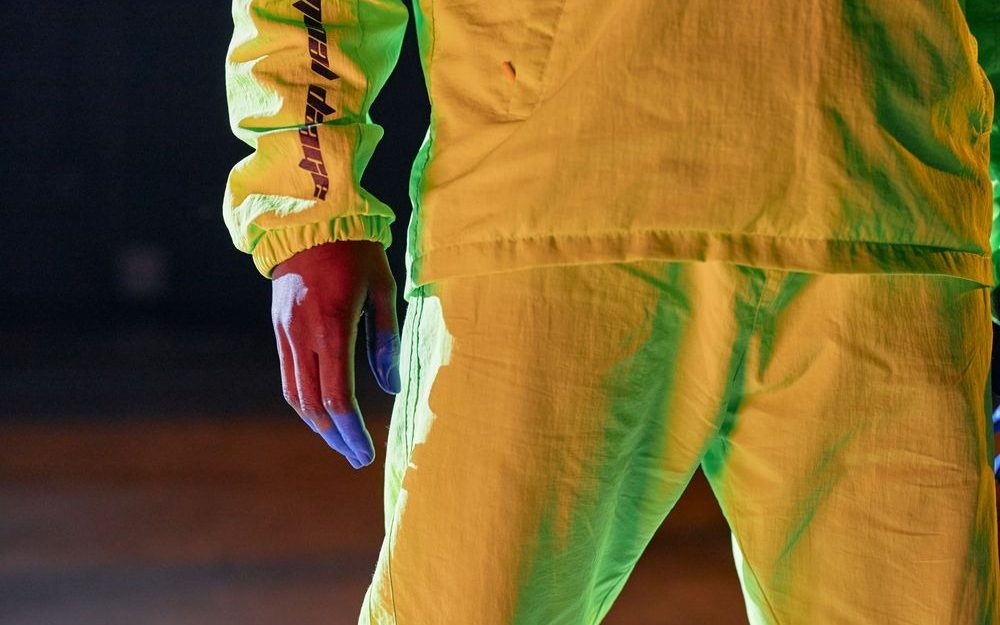
Interactive garments with embedded lighting, haptic feedback, or environmental sensing. From high fashion to consumer electronics integration.
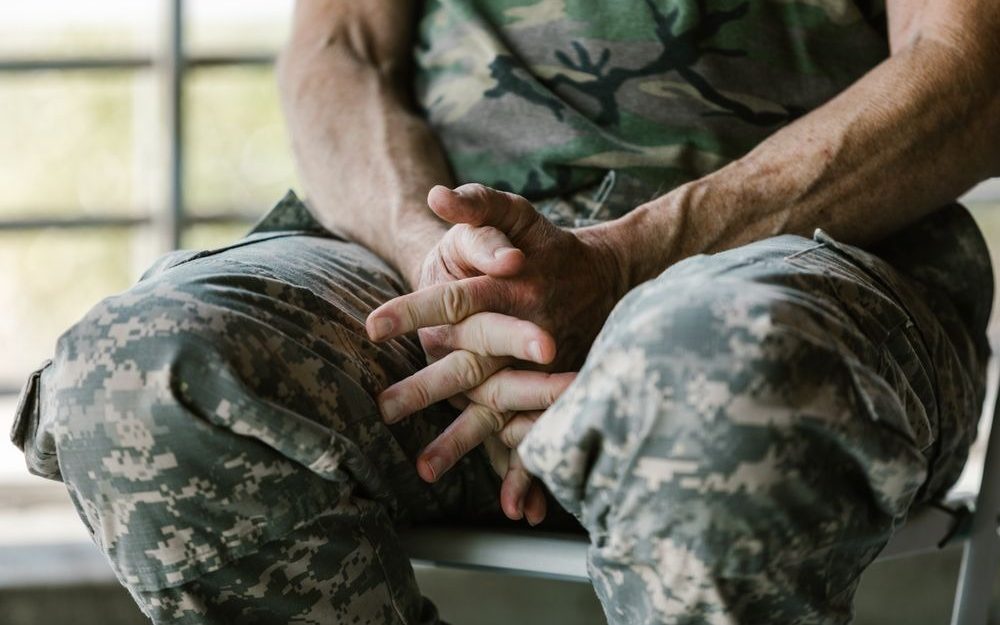
Soldier monitoring systems, body-worn communications, and mission-critical sensing woven into uniforms. Lightweight, durable, and field-ready.

Structural health monitoring, pressure mapping, and environmental sensing in flexible substrates for aerospace and civil engineering.
You make conductive ribbon or technical narrow fabrics and want to offer them with electronics attached. Our machine runs on the ribbon you already produce.
You build products for medical, sports, workwear, automotive or defence customers and need a reliable, repeatable way to attach sensors to textile.
The process is the same wherever a sensor has to be attached to textile. Tell us about your product and we will show you what a demo sample could look like.
Smart textile manufacturing fails at the design stage more often than anywhere else. We solve this by building design and manufacturability in parallel from day one.
Our engineers collaborate with your team to develop PCBs and garment constructions that are fully compatible with automated assembly. This means selecting the right substrate materials, defining reliable electrical pathways through the textile, and designing PCB footprints that survive repeated flexing, washing, and wear.
The result is a design package that goes straight to production without costly redesigns.
Miniaturised, flexible-compatible PCBs with optimised pad geometry for automated placement.
Pattern and construction designed around electronics routing and production requirements.
Prototype builds and test cycles to verify performance before committing to production.
Our automated production system connects PCBs to textile substrates with the precision and repeatability needed for reliable, scalable manufacturing.
Unlike manual assembly — which is slow, inconsistent, and expensive — our process uses machine vision and precision automation to place and connect each PCB accurately, every time. Built-in quality control catches defects at the source, not at the end of the line.
Whether you need a short prototype run or high-volume production, the same process delivers the same result.
Machine vision guided placement and connection of PCBs onto textile substrates.
Automated inspection at each stage ensures defects are caught and corrected immediately.
From 10 to 10,000+ units, the same automated process with consistent output quality.
One-shot silicone sealing of the finished sensor, aligned by camera and logged for every unit. See how the machine works.
Most smart-textile prototypes are still assembled by hand. Our machine attaches electronics to standard conductive ribbon automatically, and checks the result.
Camera-guided pick-and-place sets each PCB on the ribbon. Camera, gantry, and tools share one calibration, with about 0.03 mm residual.
Each PCB is joined to the ribbon with a real soldered connection. You keep using ordinary conductive tape, with no embroidery or laminate needed.
Vision checks each placement and AI-based inspection reviews the solder joints, so defects are caught at the source, not at the end of the line.
One automated shot of silicone seals the sensor. A camera-aligned mold closes on the ribbon and a metered dispenser injects, replacing a two-step manual process.
Sealing a sensor onto a textile ribbon is still the last manual step. In our own baseline, two technicians need about two hours and two separate silicone shots per sensor line. We are building the machine module that replaces it.
Project targets, not yet demonstrated on the machine.
We cover design and production under one roof, so there are no handoff problems between teams.
Our process is built on automation from the start — not manual assembly dressed up with machines.
Electronics designed specifically for textile integration, not adapted from rigid-board processes.
The same process runs your prototype run and your production run — no re-engineering at scale.
Standard conductive ribbon and a genuine solder connection, not an embroidered or laminated workaround.
Placement, soldering, AI-based inspection, and soon encapsulation on one line: a finished, tested ribbon from one partner instead of several manual steps.
Tell us what you're working on. We'll follow up within one business day to discuss whether we're a good fit.
We work with companies across medical, industrial, defence, and consumer sectors. All enquiries are treated confidentially.